【Wealthy CityLinkers】”Four Centres, One Hub”: The Competitiveness Layout of the 2026 Policy Address
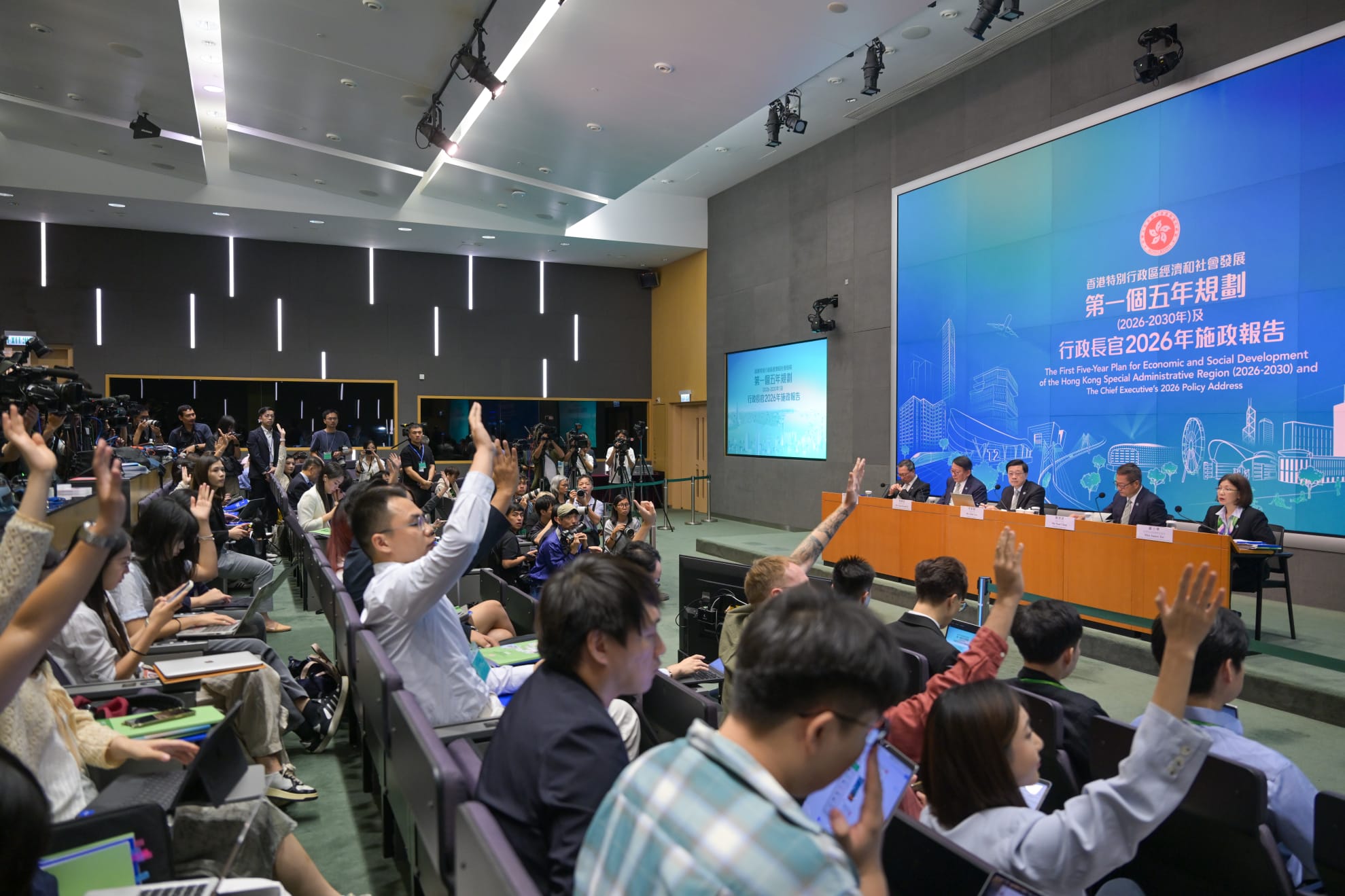
It uses the ” Hong Kong’s the First Five-Year Plan for Economic and Social Development (2026–2030)” as a blueprint. It centres on the “Four Centres, One Hub” — the international financial, shipping, trade and innovation and technology centres, and the international high-end talent hub. The Address sets out systematic arrangements. These arrangements both consolidate existing strengths and open up new prospects.
Further Deepening the Functions of the Financial Centre
The Policy Address proposes optimising the currency swap arrangement with the People’s Bank of China and expanding direct offshore renminbi exchange, consolidating the position as the world’s largest offshore renminbi hub.
In the stock market, prospectus disclosure requirements will be simplified to attract quality overseas enterprises to list in Hong Kong, and the connection between the Central Moneymarkets Unit (CMU) and the markets of Europe, the United States, the Middle East and ASEAN will be strengthened. In addition, the tokenisation of Exchange Fund bills will be tested, and specialised insurance covering gold storage, commodities and green fuel bunkering will be developed.
Upgrading the Trade Hub and Supply Chains
On trade, it is proposed to build a high value-added supply chain service centre, implement a 50% tax concession for physical commodity trading, and submit a bill to promote the electronicisation of business-to-business trade documents, expanding connections with the General Administration of Customs of the People’s Republic of China and the ASEAN “single window”.
The authorities will also deepen the work of the “GoGlobal Task Force“, add environmental, social and governance (ESG) services in cooperation with industry associations on both sides, and provide additional tax concessions for pre-approved corporate treasury centres.
Innovation and Technology, Talent and Internationalisation Advantages
The United Nations Global Centre of Excellence for Advanced Manufacturing will be established in Hong Kong, focusing on artificial intelligence and manufacturing, robotics and new energy; the Government will also deepen the application of artificial intelligence and advance the low-altitude economy.
On internationalisation, the Government welcomes the International Organization for Mediation (IOMed) to handle commodity trading and space economy disputes, promotes the establishment of the International Institute for the Unification of Private Law (UNIDROIT) in Hong Kong, and supports the building of an international commercial court; at the same time, it extends the two-year arrangement for Greater Bay Area campus graduates under the “Immigration Arrangements for Non-local Graduates”.
The Government will expand the funding coverage of the “BUD Fund” to Uzbekistan and Qatar, and subsidise SMEs in financing through intellectual property valuation, among other measures.
Overall, this Policy Address takes “Four Centres, One Hub” as its axis, deepening traditional pillars while paving the way in emerging industries. Amid increasingly fierce global competition for capital and talent, Hong Kong, with the institutional advantages of “One Country, Two Systems” and the market depth of its hinterland in the motherland, translates the policy blueprint into real competitiveness.
The author suggests that enterprises and investors should study the policy details early and consult professional institutions to make proper arrangements.
Paxson Fung, Partner, CityLinkers Group
For original article, please visit: https://www.hkcd.com.hk/hkcdweb/content/2026/09/29/content_8777829.html

