【Wealthy CityLinkers】The Card Craze Hits Hong Kong Assetization and Risk Warnings of “Physical Virtual Currency”
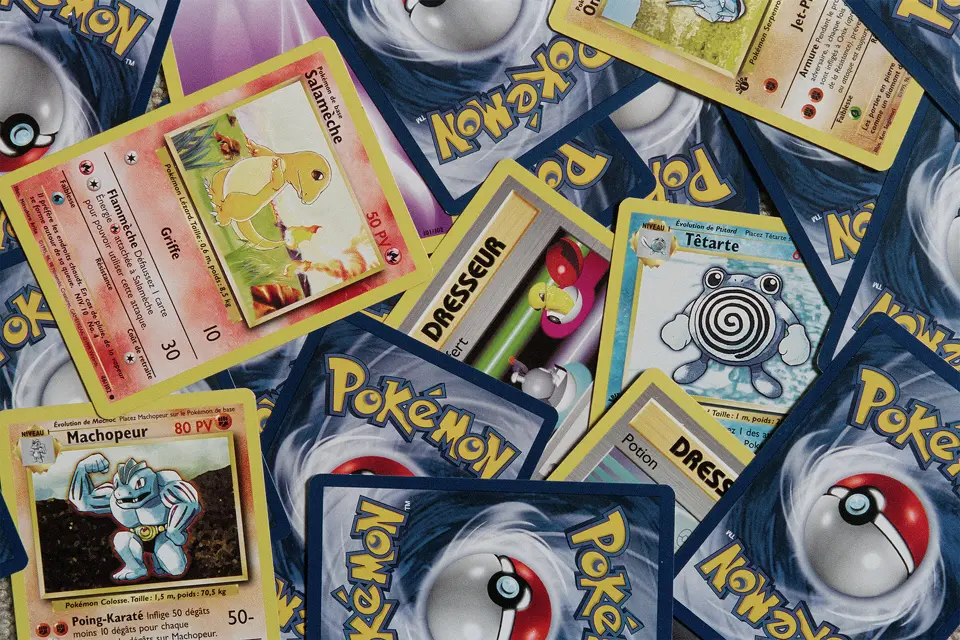
The sky-high prices of trading cards are underpinned by the establishment of a global professional grading system. Currently, the US-based PSA is the most authoritative grader, holding about 80% of the global market share. In February of this year, a PSA 10-graded “Pikachu Illustrator” card sold for a record-breaking HK$128 million, setting a new global record for the most expensive collectible card.
According to tracking data from GemRate, professional grading agencies worldwide graded a total of 26.6 million cards in 2025. Among these, Pokémon led by a wide margin with over 16.1 million cards graded, surpassing traditional sports cards to become the largest single category by grading volume. This standardized scoring system provides an objective measure of a card’s value, laying the foundation for uniform pricing and global circulation.
Capital Converging on Hong Kong and Ecosystem Upgrading
Hong Kong is rapidly becoming a hub for high-value card transactions in Asia. Large flagship stores have emerged, offering one-stop services for buying, selling, consignment, and grading facilitation. Last November, the “Grade 10 Festival” held in Wan Chai brought together over 120 exhibitors from around the world, with a single “Van Gogh Pikachu” display wall valued at nearly HK$5 million.
Even more noteworthy is that Hong Kong-listed company MemeStrategy (2440) launched the world’s first tokenized Pokémon card fund in March this year, focusing on PSA 10-graded cards. The physical cards are stored in museum-grade vaults, with regular reserve proof audits conducted by international auditing firms, formally connecting cultural collectibles with institutional-grade finance.
Financialization Phenomena and Hidden Risks
The financialization trend in the card market is also reflected in its transcendence of traditional collecting boundaries. The market has become increasingly polarized: in 2025, high-end collectible card transaction values rose counter-trend by 29%, while consumer-grade cards shrank by over 40%. This means that individual investors blindly chasing non-premium ordinary cards are highly likely to become “bag holders.”
Furthermore, the fact that grading agencies graded more than 26.6 million cards last year points to a potential crash risk due to the massive supply of modern cards. PSA, the world’s largest grading agency, recently imposed strict new rules due to capacity overload, significantly raising the minimum submission threshold for basic services to 50 cards, leading to higher costs and barriers.
Cards have formed a high-value commercial ecosystem in Hong Kong, from grading and capitalization to tokenized funds, demonstrating the powerful assetization capability of cultural IP. However, the author maintains that the most rational approach is to prioritize passion over investment. These alternative assets do not generate cash flow; their pricing depends on market sentiment. Meanwhile, official sources print vast quantities of new cards each year. If market consensus shifts, price volatility could be unpredictable. Those participating should base their involvement on genuine interest and act within their means.
Paxson Fung, Partner of CityLinkers Group
For original article, please visit: https://www.hkcd.com.hk/hkcdweb/content/2026/06/10/content_8759333.html

