【Wealthy CityLinkers】Fevering Foreign Trade, Floundering Retail: Mixue Ice Cream & Tea Reflects Hong Kong’s “Dual-Track Economy” Phenomenon
The strong foreign trade is mainly driven by global demand for artificial intelligence (AI)-related electronic products. Exports of “electric machinery, instruments, appliances and parts” increased substantially, and “office machines and automatic data processing equipment” also saw significant growth, contributing the main increment. Government statistics show that this wave of export expansion is primarily benefiting from global AI-related demand, which is a highly institutionalized B2B trade, and the wealth creation and transmission effect to local consumption is relatively limited.
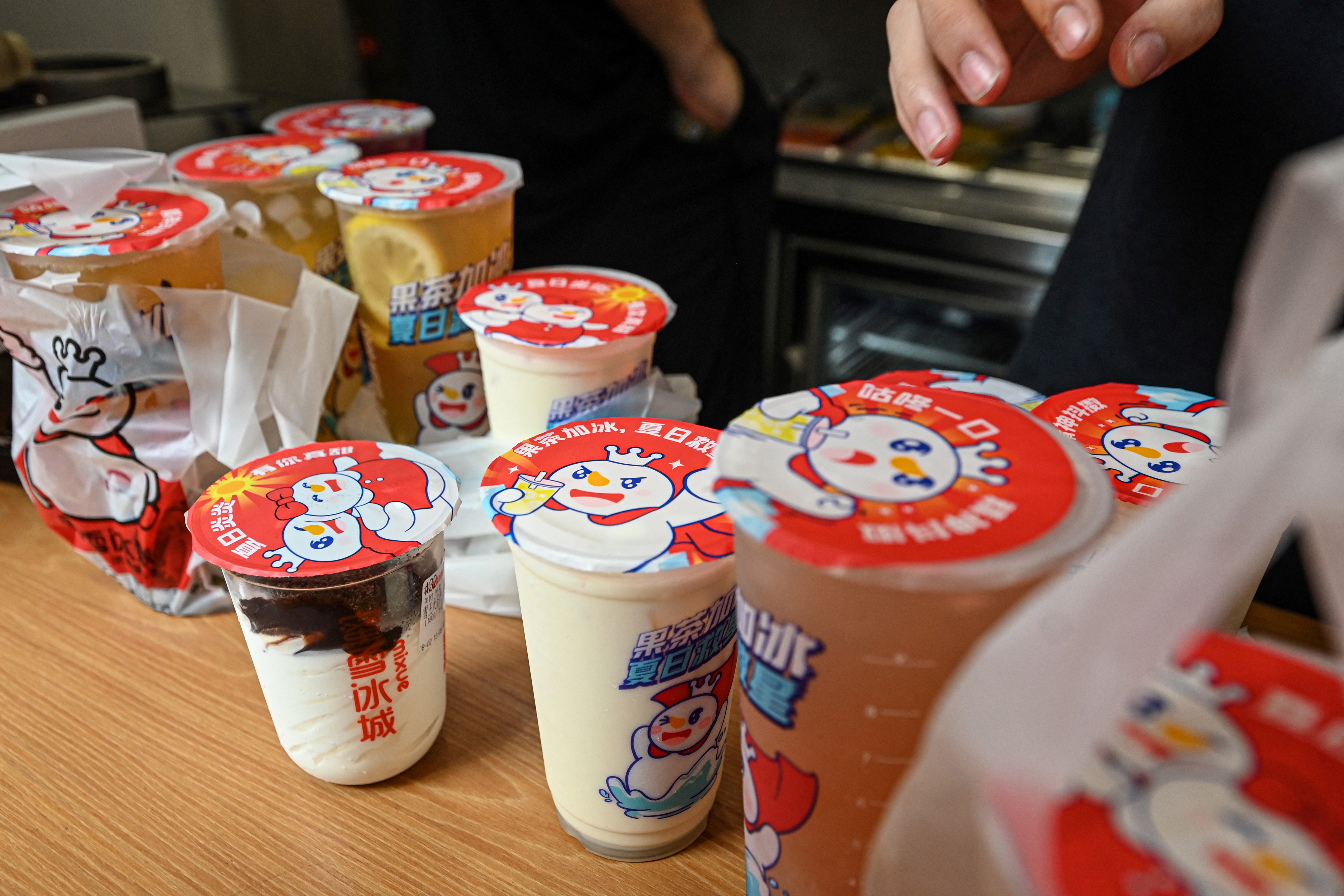
This structural characteristic is reflected in the cases of some mainland Chinese catering brands moving southward into Hong Kong. Mixue Ice Cream & Tea, which grew rapidly in the mainland with affordable pricing, expanded for a time after entering Hong Kong, but faced challenges such as high rents, labor costs, and differences in local consumption habits. Recently, multiple branches have closed down or adjusted their scale. Similarly, the mainland hand-squeezed lemon tea brand “Ninji Lemon & Fruit Tea” completely withdrew from Hong Kong, and MANNER COFFEE’s Hong Kong branch closed and withdrew from Hong Kong, among others. These all reflect the difficulty of adapting the “low-margin, high-traffic” B2C model to Hong Kong’s high-cost business environment.
The above phenomenon reminds enterprises that, when evaluating the Hong Kong market, they need to clearly distinguish its different roles. As an international supply chain hub, financial center, and professional services platform, Hong Kong has significant advantages in connecting global markets, cross-border financing, and trade facilitation; but as a local consumer end-market, its scale and price sensitivity are markedly different from those in the mainland.
Accurately Delineating Business Positioning is of Paramount Importance
For enterprises planning to enter Hong Kong, accurately positioning the nature of the business is crucial: if focusing on B2B supply chain management, regional headquarters, or professional services, they can fully leverage Hong Kong’s institutional and international connectivity advantages; if primarily targeting mass consumer retail, they need to fully assess local operating costs and market acceptance.
Overall, the “dual-track” characteristics of Hong Kong’s economy are a natural reflection of its status as an open economy. When enterprises plan their “going global” strategies, if they can accurately recognize and make good use of its core advantages as a “super connector,” they will be able to seize more opportunities in the global landscape.
Paxson Fung, Partner of CityLinkers Group
For original article, please visit: https://www.hkcd.com.hk/hkcdweb/content/2026/07/08/content_8763859.html

