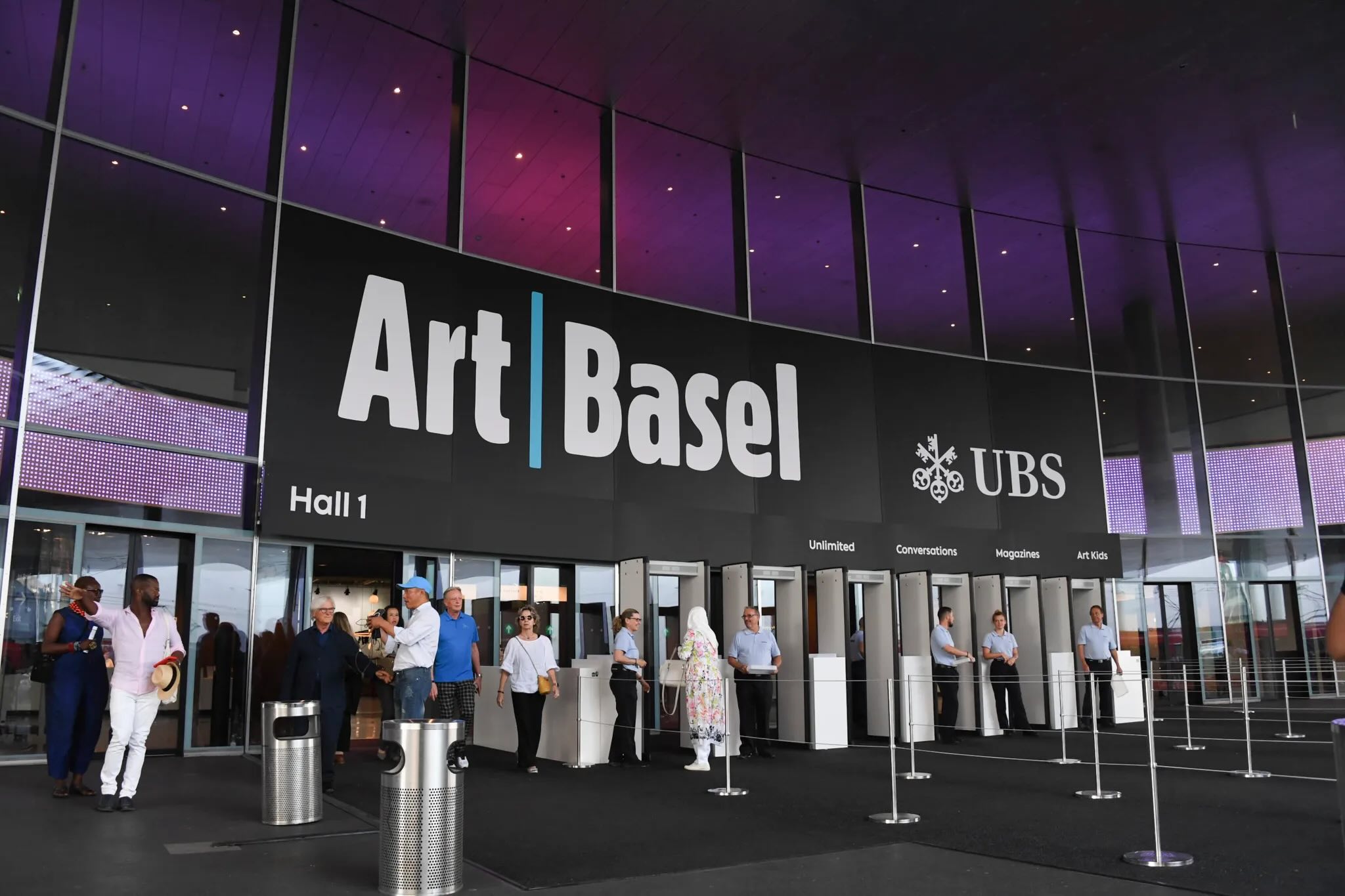
【Wealthy CityLinkers】Gen Z Rises as a Dominant Force in Art Collecting — Asset Structuring and Succession Become New Challenges
The report shows that Gen Z collectors spent an average of US$347,000 (approximately HK$2.71 million) on fine art alone last year, nearly three times the average of US$124,000 for other generations; Gen Z also accounted for nearly half of this year’s million-dollar art buyers, becoming the main force in high-value transactions.
From "Consumption" to "Passion-Driven Investment"
This is not a passing fad. The report notes that Gen Z collecting habits are extremely diverse, spanning traditional paintings, sculptures, luxury collectibles and digital art, with digital art particularly favoured by high-net-worth collectors. What drives them to open their wallets is “identity” and “scarcity” — 48% of Gen Z collectors regard the uniqueness or rarity of a work as its core value, a higher proportion than other generations.
Notably, family inheritance is the main entry point into art for this generation, with 40% starting this way, higher than the 28% of overall respondents, and nearly 90% of respondents retain the works they inherit. This means art is transforming from a “consumer good” into part of cross-generational asset allocation.
When artworks and alternative assets under one’s name are valued in the millions, they warrant treatment as a substantive asset class rather than a personal pursuit. The value of art and digital assets may require sufficient time to be assessed, so concentrating all cash flow in a handful of artworks would be imprudent. Establishing holding structures early through family offices, trusts or investment holding companies not only enables clear asset management but also offers tax advantages in future succession or auction.
New Opportunities for Hong Kong as a Wealth Management Hub
Hong Kong has surpassed Switzerland to become the world’s largest cross-border wealth management centre. Its mature family office, trust and fund ecosystem is well positioned to meet this demand for “new-generation wealth” support.
Leveraging its role as a “super connector” and its positioning as an international financial centre, Hong Kong can connect the Greater Bay Area with global capital, providing collectors with professional services ranging from asset structuring to cross-generational succession. For new-generation investors with an international footprint, establishing discipline and structure while pursuing their passions is the way to steadily preserve their wealth and pass it on for the long term.
Paxson Fung, Partner, CityLinkers Group
For original article, please visit: https://www.hkcd.com.hk/hkcdweb/content/2026/10/21/content_8781134.html

